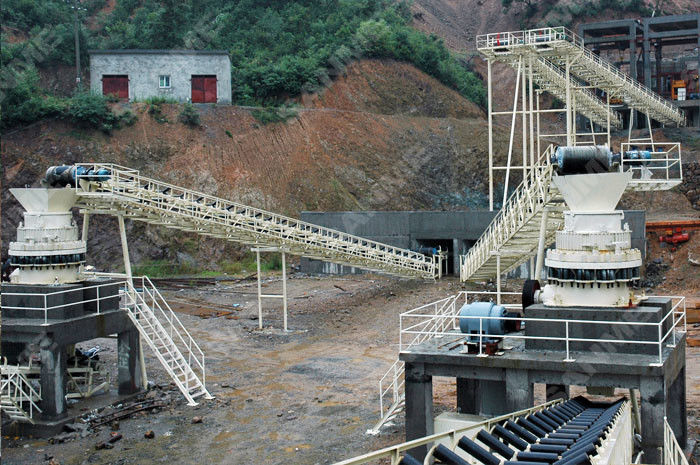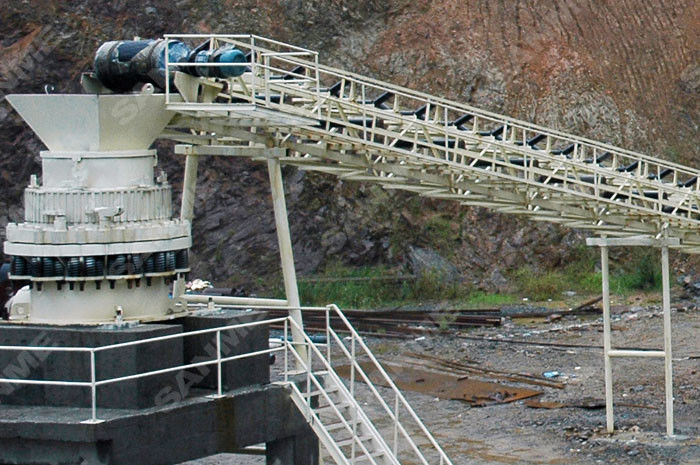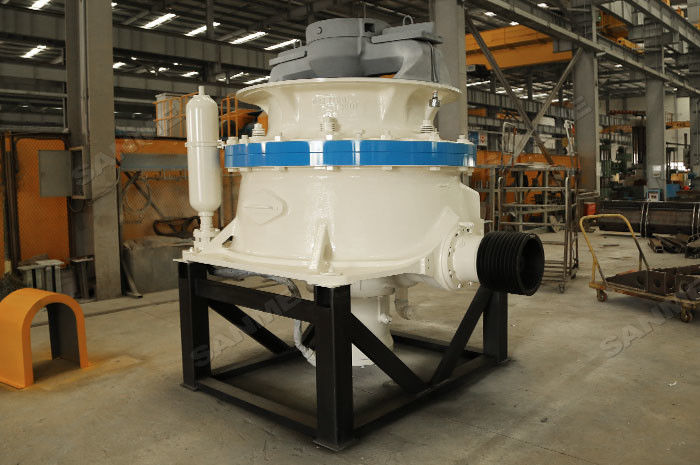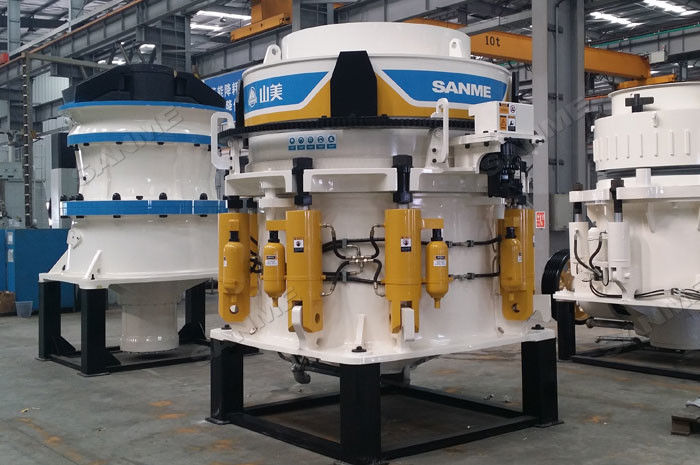
400Kw Metallurgy Feeding 460mm Cone Crusher Machine
2026-10-15
Gravel, as a common natural stone, is widely used in construction aggregates, road laying, and wastewater treatment due to its hard texture, wear resistance, and stable chemical properties. However, because the Mohs hardness of gravel is relatively high (usually in the range of 6-7 or even higher), and its shapes are mostly round or elliptical spheres, direct crushing imposes extremely high requirements on the impact force and wear resistance of the equipment. Therefore, not all types of crushers are suitable for processing gravel, and choosing the appropriate crushing process and equipment is crucial.
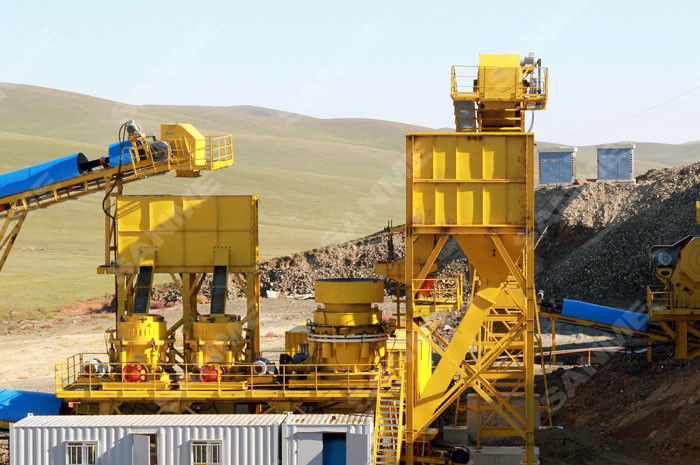
The processing of river gravel is divided into three stages: coarse crushing by jaw crushers, medium and fine crushing by impact crushers or cone crushers, and shaping by the sand-making machine.
The first stage: Coarse crushing of river gravel
Large pieces of river gravel are fed into the hopper by a vibrating feeder and sent to the jaw crusher for coarse crushing. The crushed river gravel is then screened by a vibrating screen and transported by a belt conveyor to the impact crusher or cone crusher for medium and fine crushing.
The second stage: Medium and fine crushing of river gravel
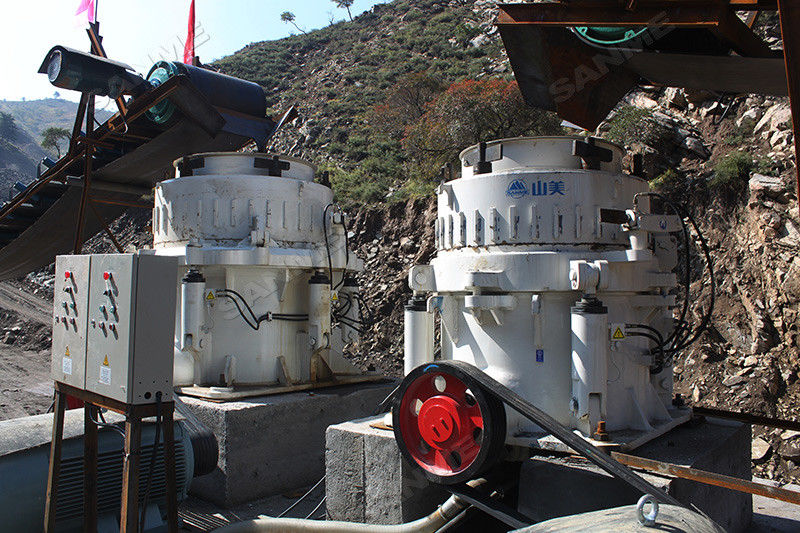
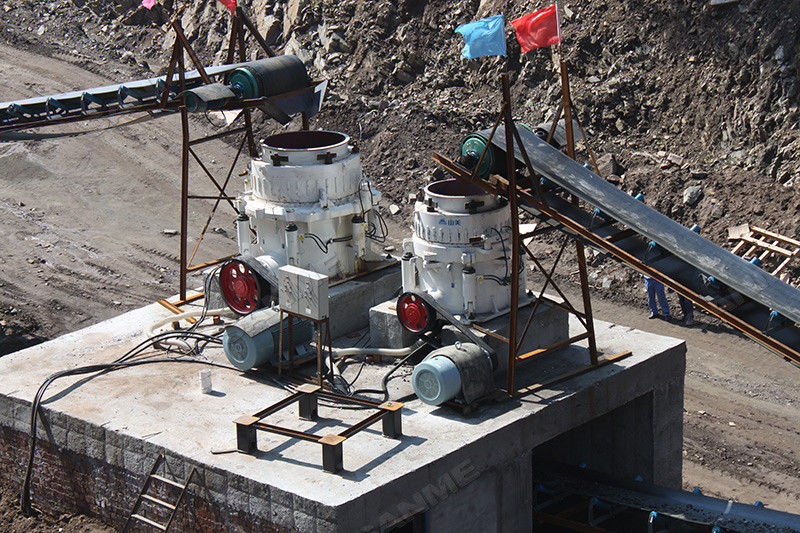
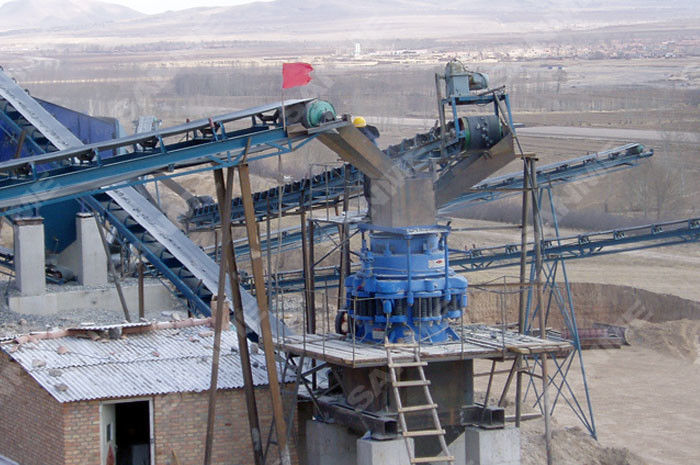
The river gravel sent to the impact crusher/cone crusher undergoes medium and fine crushing. Larger particles of river gravel are returned to the impact crusher/cone crusher for further crushing.
The third stage: River gravel shaping
The crushed river gravel is sent to the sand-making machine for further crushing and shaping. If clean river gravel is required, it can be sent to the washing machine for cleaning.
The fourth stage: Packaging
The dried finished river gravel is packaged and stored.
| Shanghai Sanme Mining Machinery Corp., Ltd |
| No.258, Fengcun Road, Qingcun County, Fengxian District, Shanghai, China |
| 86-021-3759-5660 |
| sanme@sanmecrusher.com |