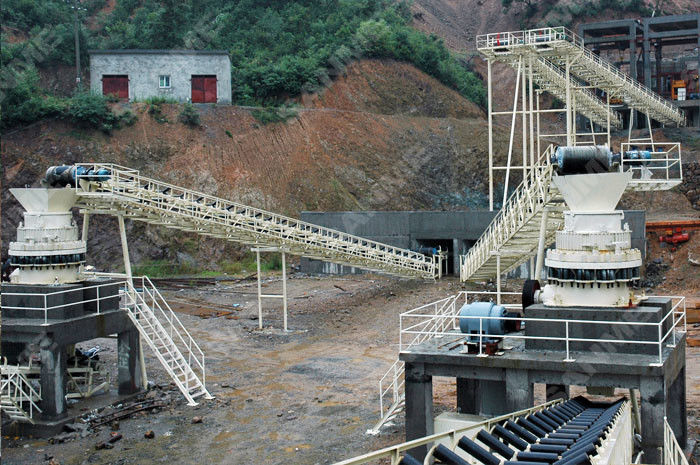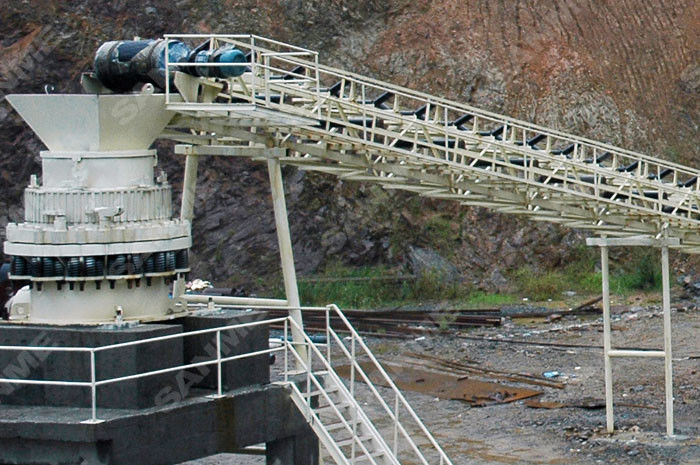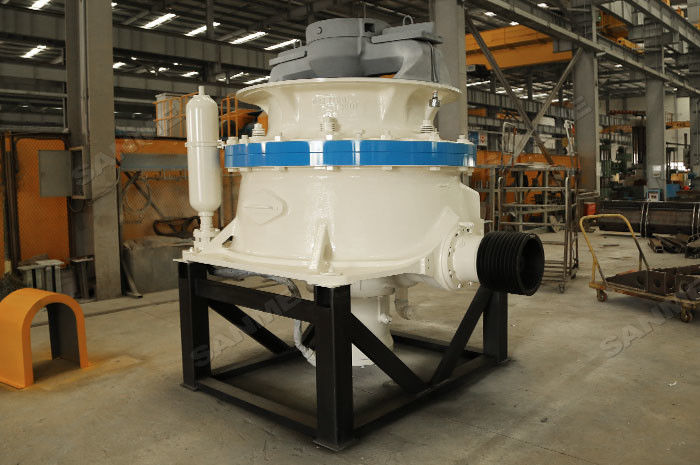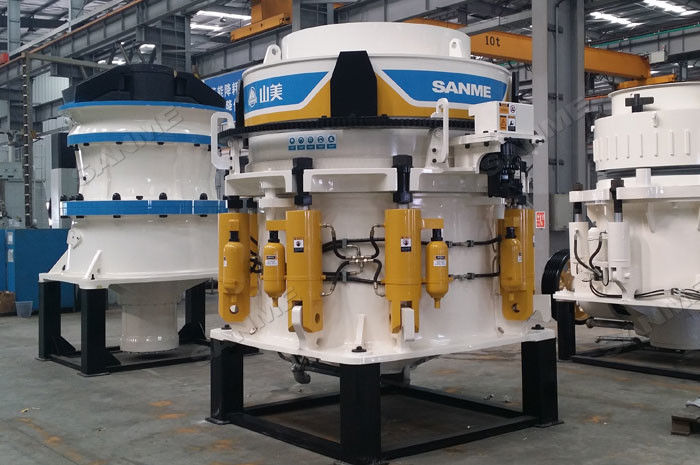
400Kw Metallurgy Feeding 460mm Cone Crusher Machine
2025-12-16
The processing flow of a mining production line typically covers the entire process from ore extraction to final product output, and can be specifically divided into the following steps:
1、Ore Extraction Stage
Geological Exploration and Resource Assessment
Through geological surveys, geophysical exploration (such as gravity, magnetic, and electrical methods), and geochemical exploration, the distribution, reserves, and grade of the ore body are determined.
Drilling and sampling analysis of ore properties (such as hardness, grain size, and impurity content) provides a basis for subsequent mining and beneficiation.
Selection of Mining Method
Open-pit Mining: Suitable for shallow and large-scale ore bodies. Topsoil and rock are removed layer by layer through bench mining, utilizing large machinery (such as excavators and loaders) for efficient operation.
Underground Mining: For deeply buried ore bodies, vertical shafts, inclined shafts, or tunnels are used, combined with support technologies (such as anchor bolts and steel supports) to ensure safety. Ore is broken by blasting or mechanical cutting.
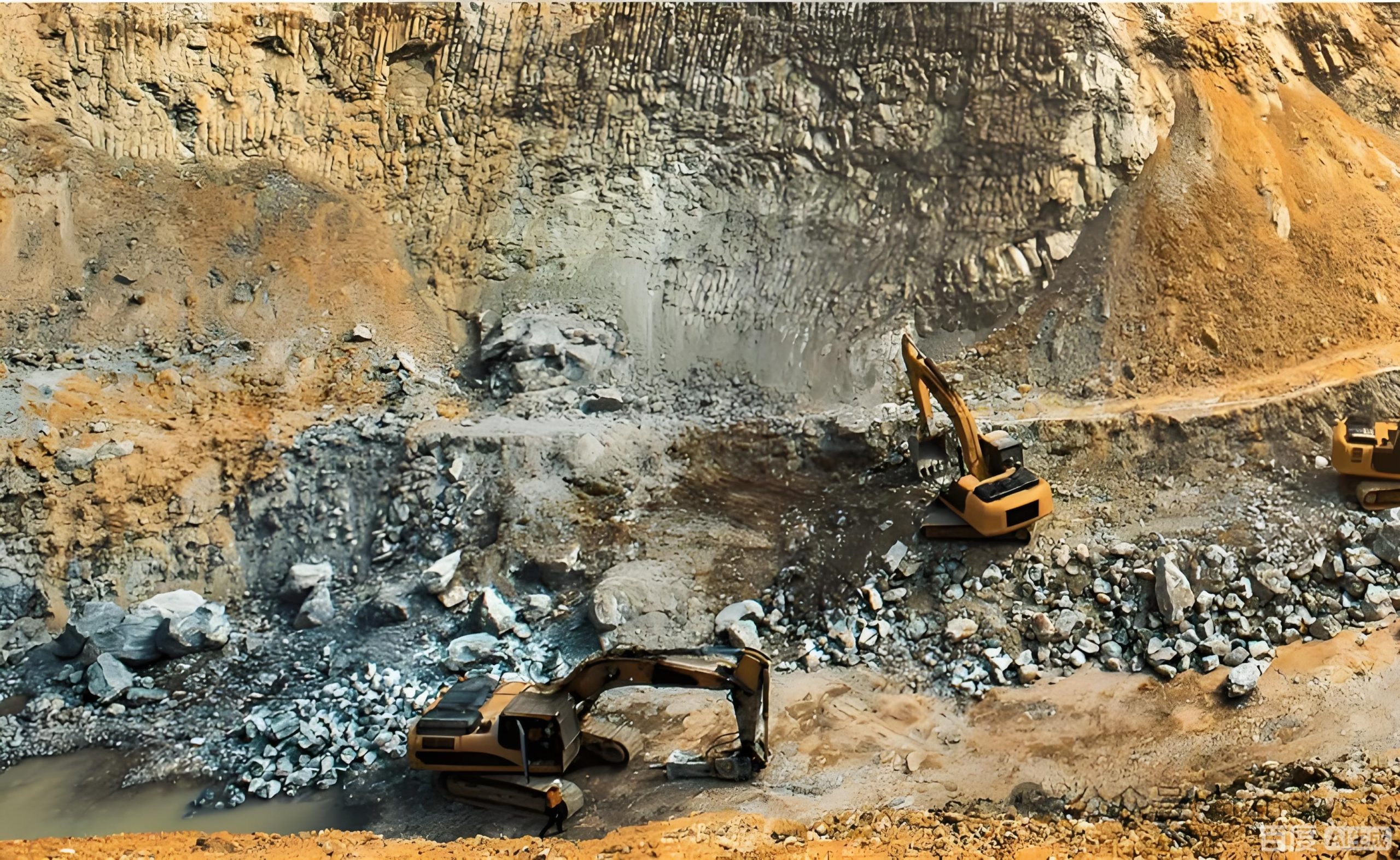
Ore Transportation
In open-pit mining, dump trucks or belt conveyors transport ore to the processing plant; in underground mining, ore is lifted to the surface using mine cars, hoists, or locomotives.
2、Raw Ore Processing Stages
Crushing and Screening
Coarse Crushing: Jaw crushers are used to crush large pieces of ore to smaller particle sizes (e.g., ≤500mm).
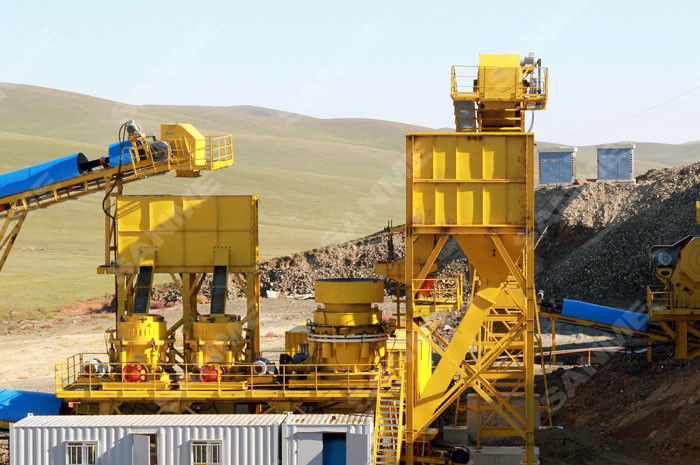
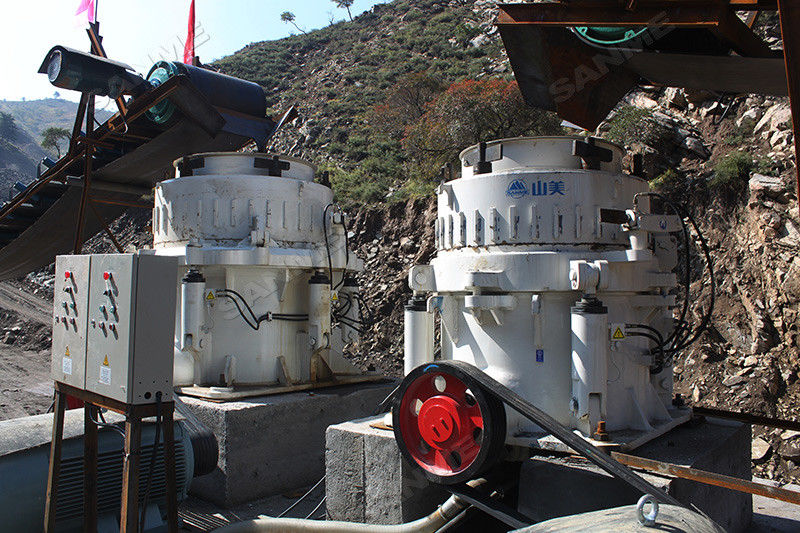
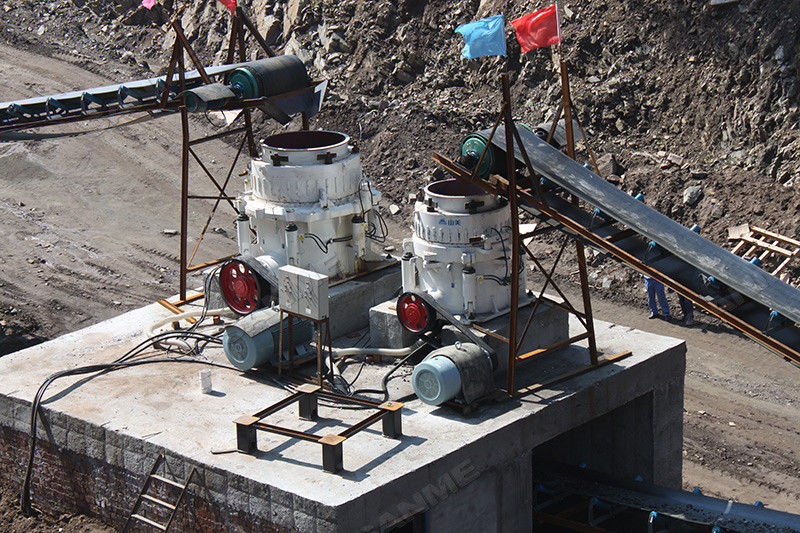
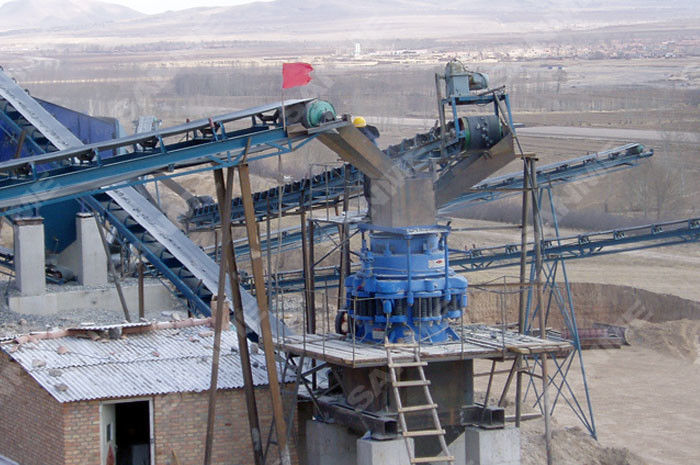
Medium and Fine Crushing: Cone crushers or impact crushers are used to further crush ore to the target particle size (e.g., ≤15mm).
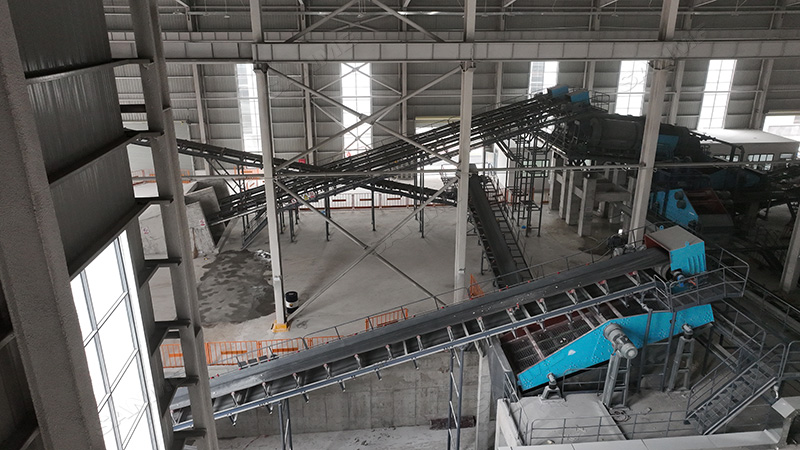
Screening: Vibrating screens are used to separate ore of different particle sizes; ore that does not meet the standards is returned to the crushing stage, forming a closed-loop cycle.
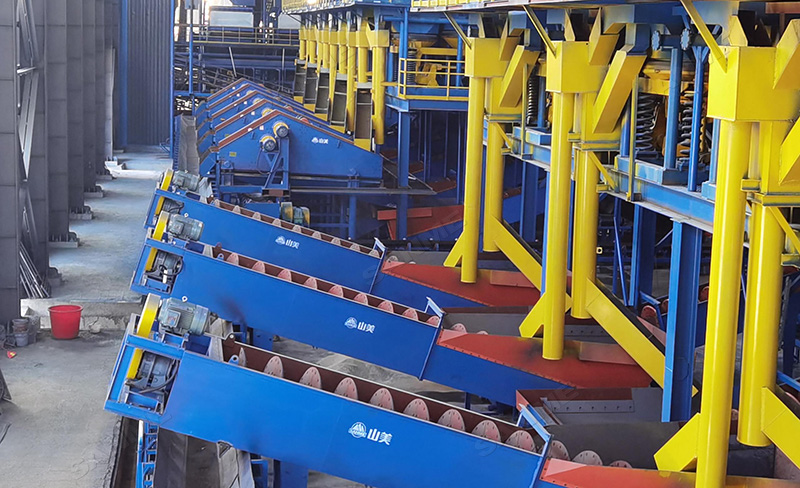
Washing and Desliming* For ores with high mud content (e.g., quartzite), washing is performed using spiral washer or wheel washer to remove surface impurities and ensure ore purity.
Grinding (Optional)* For ores requiring fine processing (e.g., metallic ores), ball mills or rod mills are used to grind the ore to a finer particle size (e.g., ≤0.074mm) to prepare for subsequent sorting.
3、Sorting and Purification Stage
Magnetic Separation: Utilizing differences in ore magnetic properties, magnetic minerals (such as magnetite) are separated using dry or wet magnetic separators. Suitable for iron ore, manganese ore, etc.
Flotation: For non-magnetic minerals (such as copper, lead, and zinc ores), separation is achieved by adding flotation reagents (such as collectors and frothers) and utilizing differences in mineral surface properties.
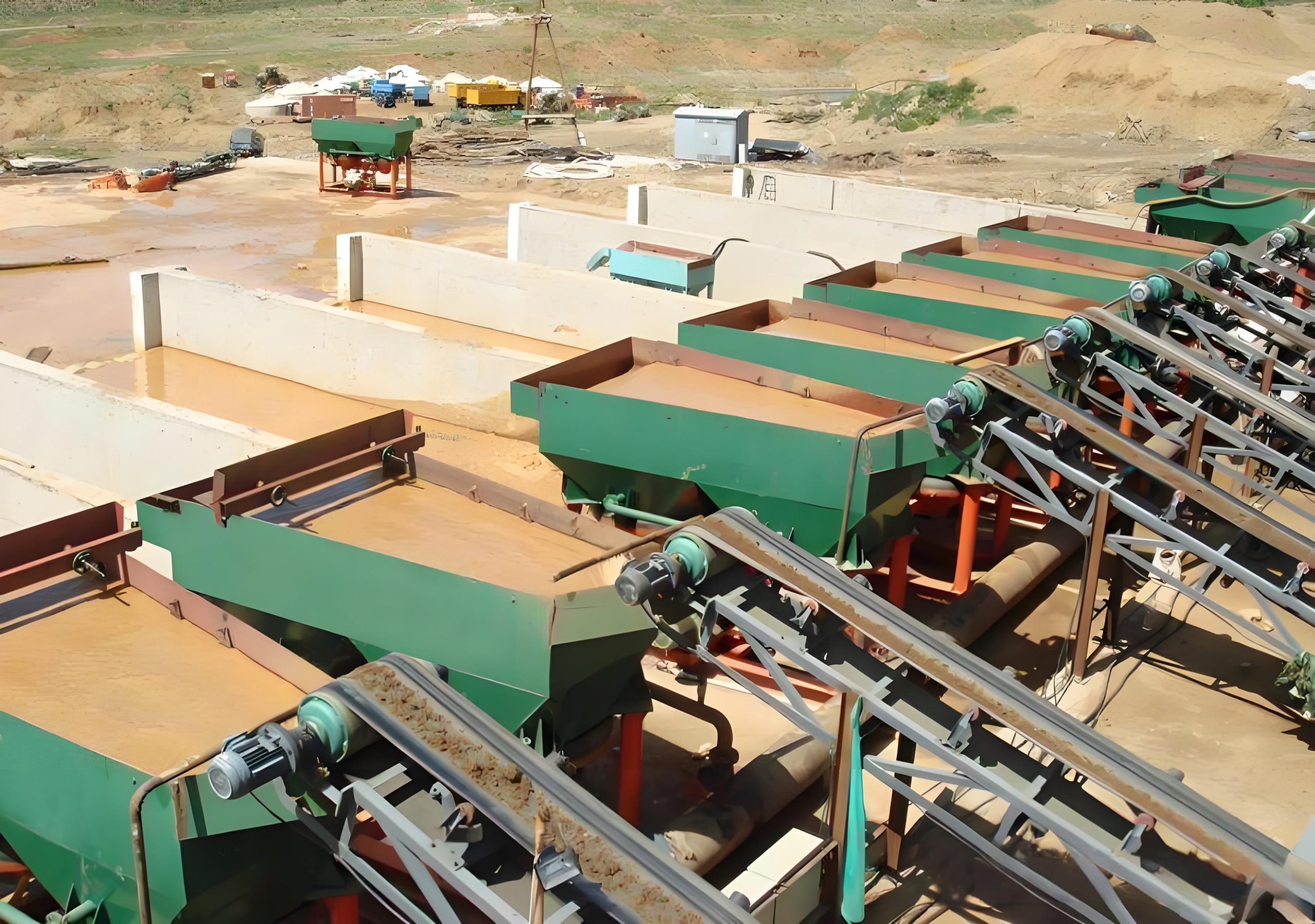
Gravity Separation and Electrostatic Separation
Gravity Separation: Based on differences in mineral specific gravity, heavy minerals (such as gold and tin ores) are separated using equipment such as jigs and shaking tables.
Electrostatic Separation: Utilizing differences in mineral conductivity, minerals with different electrical conductivities are separated (such as tungsten ore and zirconium ore).
Deep Purification (Optional): For products requiring high purity (such as electronic-grade quartz sand), impurities are further removed using acid washing, high-temperature calcination, or chemical leaching.
4、Dewatering and Drying Stage
Concentration and Dewatering: The moisture content of the concentrate is reduced using thickeners or settling tanks, reducing energy consumption for subsequent drying.
Filtration and Dewatering: Use vacuum filters or filter presses to reduce the moisture content of the concentrate to a lower level (e.g., ≤10%) for easier transportation and storage.
Drying Treatment: For products requiring low moisture content (e.g., cement raw materials, chemical raw materials), further dry to the target moisture content (e.g., ≤0.5%) using rotary dryers or airflow dryers.
5、Finished Product Processing and Storage
Testing and Packaging: Test the finished product for chemical composition, particle size, moisture content, etc. After passing the tests, package according to specifications (e.g., bulk, bagged, or ton bags).
Storage and Transportation: Store the finished product in silos or stockpiles and transport it to users or downstream processing plants via rail, road, or waterway.
6、Waste Rock and Tailings Treatment
Comprehensive Utilization of Waste Rock: Crush and screen waste rock for use as building aggregate, road base, or for land reclamation, achieving resource utilization.
Safe Tailings Disposal: Transport tailings to tailings ponds and store them using dry stacking or wet discharge methods, taking anti-seepage and drainage measures to prevent environmental pollution.
| Shanghai Sanme Mining Machinery Corp., Ltd |
| No.258, Fengcun Road, Qingcun County, Fengxian District, Shanghai, China |
| 86-021-3759-5660 |
| sanme@sanmecrusher.com |