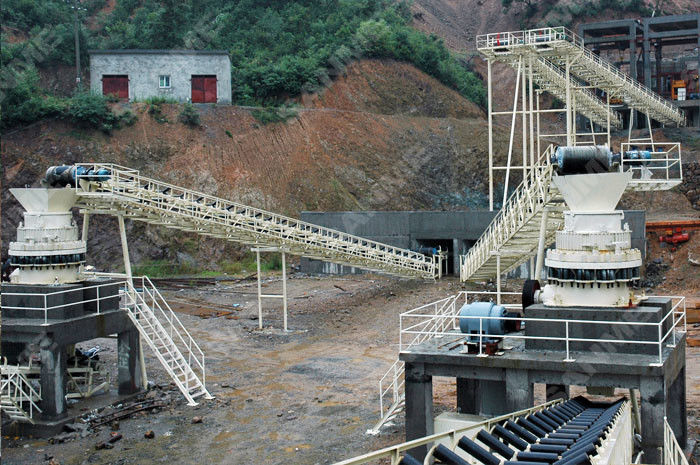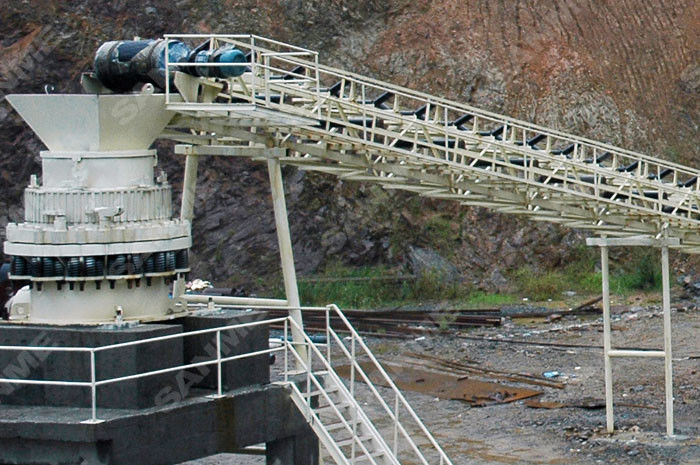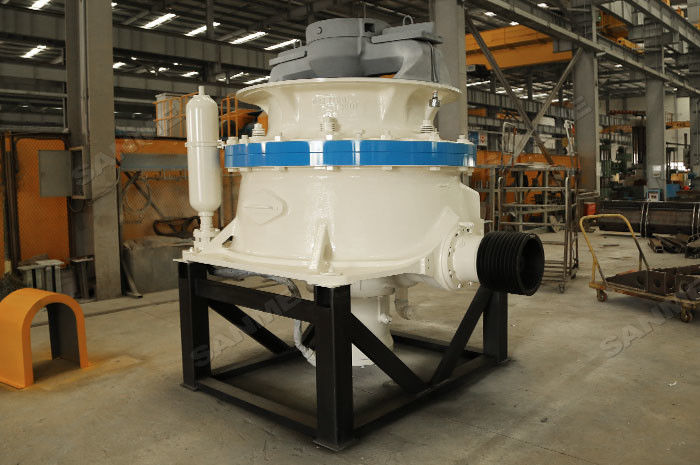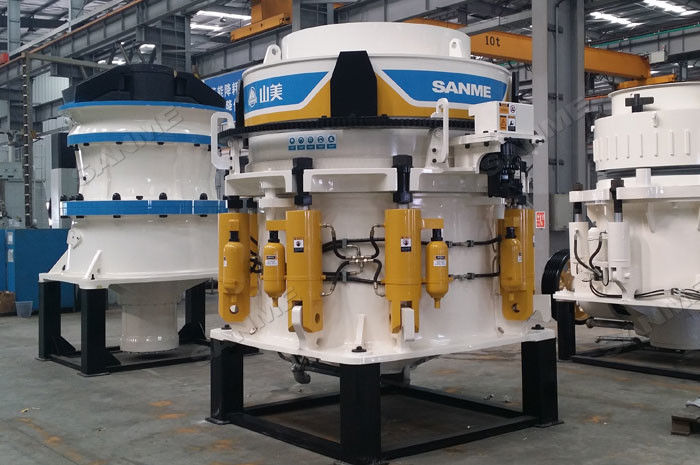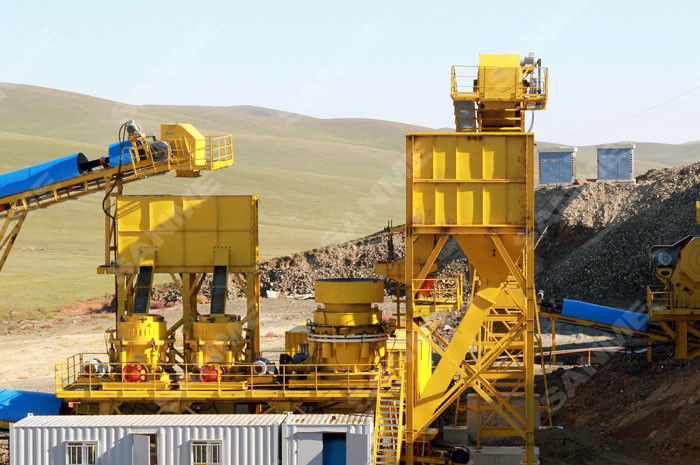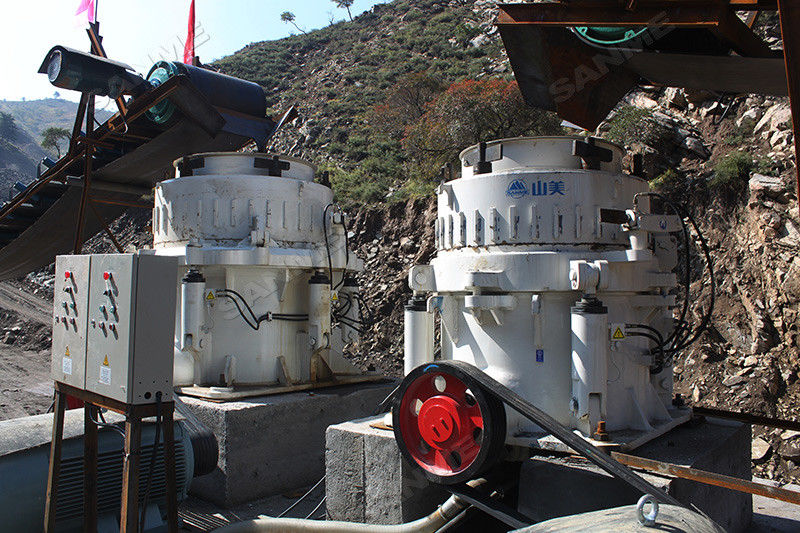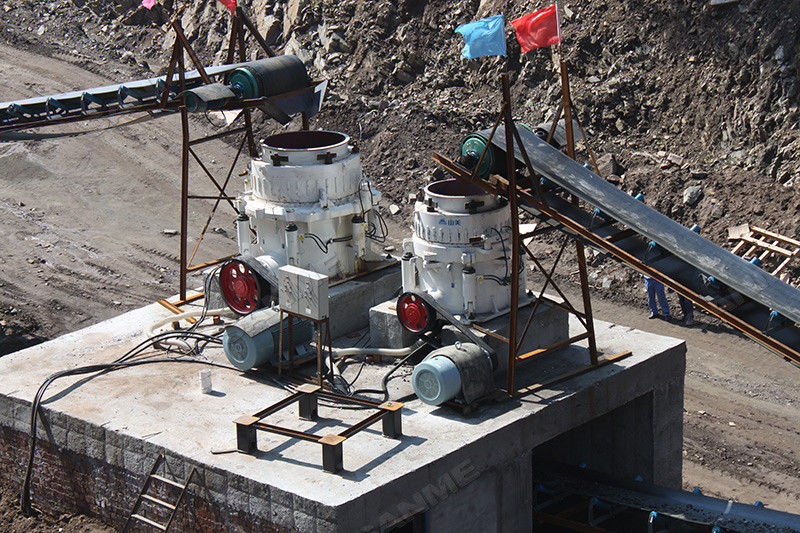
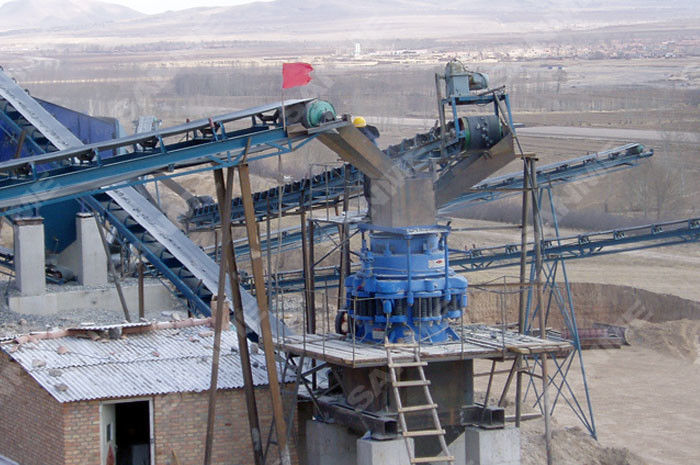
400Kw Metallurgy Feeding 460mm Cone Crusher Machine
2025-12-2
Stone production lines play a crucial role in mining, processing raw stone into sized aggregates. Their application is reflected in four core aspects: process flow, equipment configuration, environmental protection, and production management. The following explanation combines technical principles with practical examples:
1、Process Flow: Multi-stage Crushing + Screening for Efficient Raw Material Conversion
Raw stone extracted from mines undergoes four stages of processing: coarse crushing, medium crushing, fine crushing, and screening, ultimately forming building aggregates of different particle sizes. Taking a limestone mine as an example:
Coarse Crushing Stage: Raw stone is evenly fed into a jaw crusher by a vibrating feeder. Through compression crushing, the material particle size is reduced to below 300mm, providing a suitable feed size for subsequent processing. For example, a limestone mine with an annual output of 1 million tons uses a PE900×1200 jaw crusher, with a processing capacity of 220-380 tons/hour.
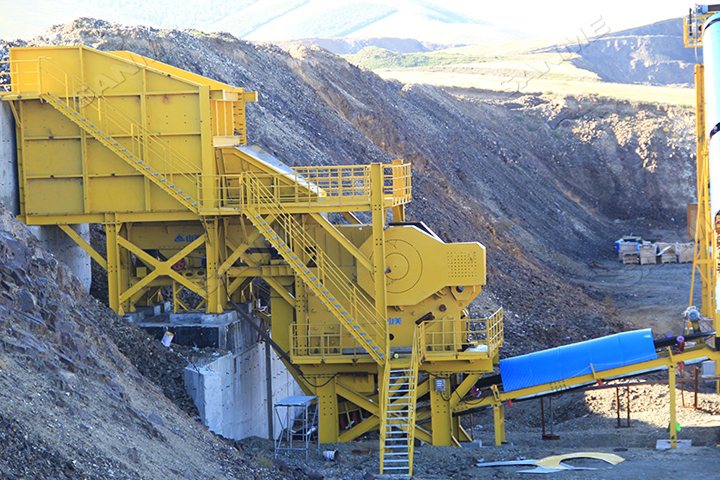
Medium Crushing Stage: The coarsely crushed material is conveyed by a belt conveyor to a cone crusher (for hard rock) or an impact crusher (for soft rock) for further crushing to below 100mm. Taking a granite mine as an example, an HP500 cone crusher can crush the material to below 50mm, with a needle-like and flaky content of less than 10%.
Fine Crushing and Shaping Stage: The medium-crushed material enters a vertical shaft impact crusher, where it is crushed to below 5mm using the “stone-on-stone” principle, simultaneously forming cubic particles and improving the aggregate shape quality. A highway project uses a VSI1140 sand making machine, producing manufactured sand with a fineness modulus consistently between 2.6 and 3.0, meeting the Class II sand standard.
Screening Stage: The finely crushed material is graded by particle size using a multi-layer vibrating screen (usually 3-4 layers). Qualified products enter the finished product stockpile, while unqualified materials are returned to the crushing stage, forming a closed-loop cycle. For example, a mine uses a 3YK2460 vibrating screen, achieving a screening efficiency of over 90%, ensuring uniform particle size in the finished product.
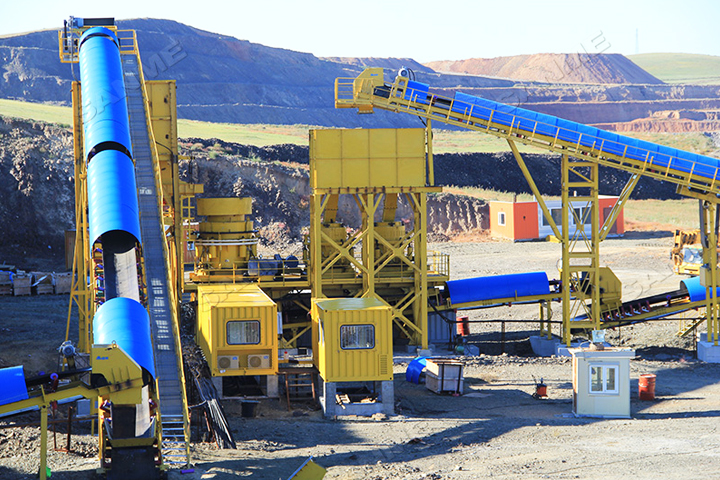
2、Equipment Configuration: Tailored to Material Requirements, Balancing Efficiency and Cost
Equipment selection must be based on a comprehensive decision considering material hardness, production capacity requirements, and finished product standards:
Material Hardness: Hard rocks (such as basalt and granite) require a combination of jaw crusher and cone crusher to avoid excessive wear on the vulnerable parts of the impact crusher; soft rocks (such as limestone and coal gangue) can use a combination of jaw crusher and impact crusher to reduce equipment investment costs.
Production Capacity: Small mines (under 500,000 tons per year) can use fixed equipment, reducing land occupation through optimized layout; large mines (over 2 million tons per year) require mobile crushing stations to achieve integrated “mining-crushing-screening” operations, reducing material transfer frequency. For example, an iron ore mine uses a mobile cone crusher station, with a single unit processing capacity of up to 400 tons/hour, and can move with the mining face, reducing transportation costs by over 30%.
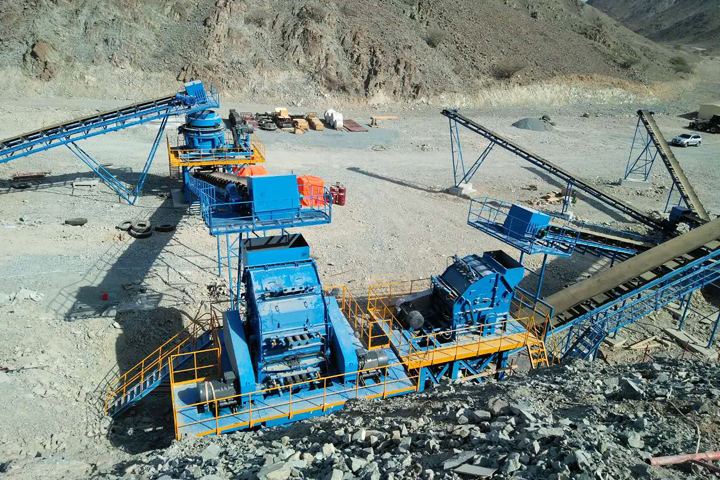
Finished Product Requirements: For projects with high requirements for particle shape (such as high-rise building concrete), a vertical shaft impact crusher is required for fine crushing and shaping. If only coarse aggregate is needed, the process can be simplified, omitting the sand making step. For example, to meet the aggregate requirements of the dam concrete, a hydropower station project added two VSI1145 sand making machines to the production line, reducing the content of needle-like and flaky aggregates from 18% to below 5%.
3、Environmental Governance: Dust Control and Ecological Restoration are Paramount.
Mining easily generates dust pollution and ecological damage, requiring green production through technical means and management measures:
Dust Control: Install baghouse dust collectors in crushing, screening, and conveying processes to reduce dust concentration to below 15mg/m³ (the national emission standard is 30mg/m³). For example, a limestone mine installed a pulse baghouse dust collector at the feed inlet of the cone crusher, achieving a dust removal efficiency of 99.5%, significantly improving the surrounding air quality.
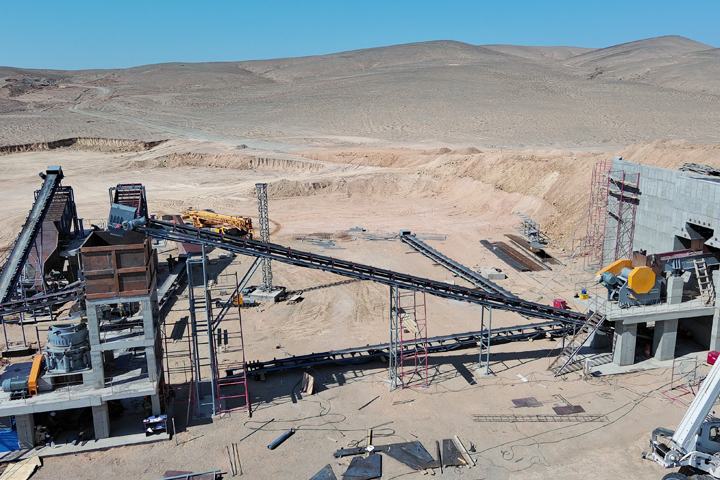
Noise Control: Low-noise equipment is selected (e.g., rubber spring damping for vibrating feeders), and soundproof covers are installed around crushers and screening machines to reduce operating noise from 95dB to below 80dB, meeting the requirements of the “Emission Standard for Industrial Enterprises Noise at Boundary” (GB 12348-2008).
Ecological Restoration: Damaged land is reclaimed after mining operations cease, and soil erosion is prevented through vegetation restoration, drainage, and slag containment. For example, after a coal mine closed, “hydroseeding” technology was used to plant plants such as Amorpha fruticosa and Bermuda grass on exposed slopes, restoring vegetation coverage from 0% to over 85% within three years.
4、Production Management: Intelligent Monitoring and Compliant Operation
Improving production efficiency and safety through automated systems and regulatory compliance:
Intelligent Monitoring: A DCS distributed control system is adopted to monitor equipment operating parameters in real time (e.g., crusher current, vibrating screen amplitude). Automatic alarms and adjustments are made when parameters are abnormal to prevent equipment failures from causing production stoppages. For example, a gold mine reduced the failure rate of its cone crusher from twice a month to less than 0.5 times by installing vibration sensors.
Compliant Operation: Strictly adhere to laws and regulations such as the *Mineral Resources Law* and the *Land Management Law*, prohibiting activities such as mining beyond permitted boundaries and mining without a license. For instance, in two cases of mining beyond permitted boundaries reported in Luodian County, Guizhou Province in 2025, the companies involved were fined and ordered to rectify their practices for mining beyond their permitted scope, highlighting the importance of compliance management.
| Shanghai Sanme Mining Machinery Corp., Ltd |
| No.258, Fengcun Road, Qingcun County, Fengxian District, Shanghai, China |
| 86-021-3759-5660 |
| sanme@sanmecrusher.com |